Iran Tensions and Yemen Conflict Reshape Middle East Security
 WhatsApp Channel
The PJ Herald | Editorial: The continuing confrontation between the United States and Iran, alongside renewed hostilities in Yemen, has exposed the complexities of maintaining security in the Middle East through military pressure alone.
The limits of military power
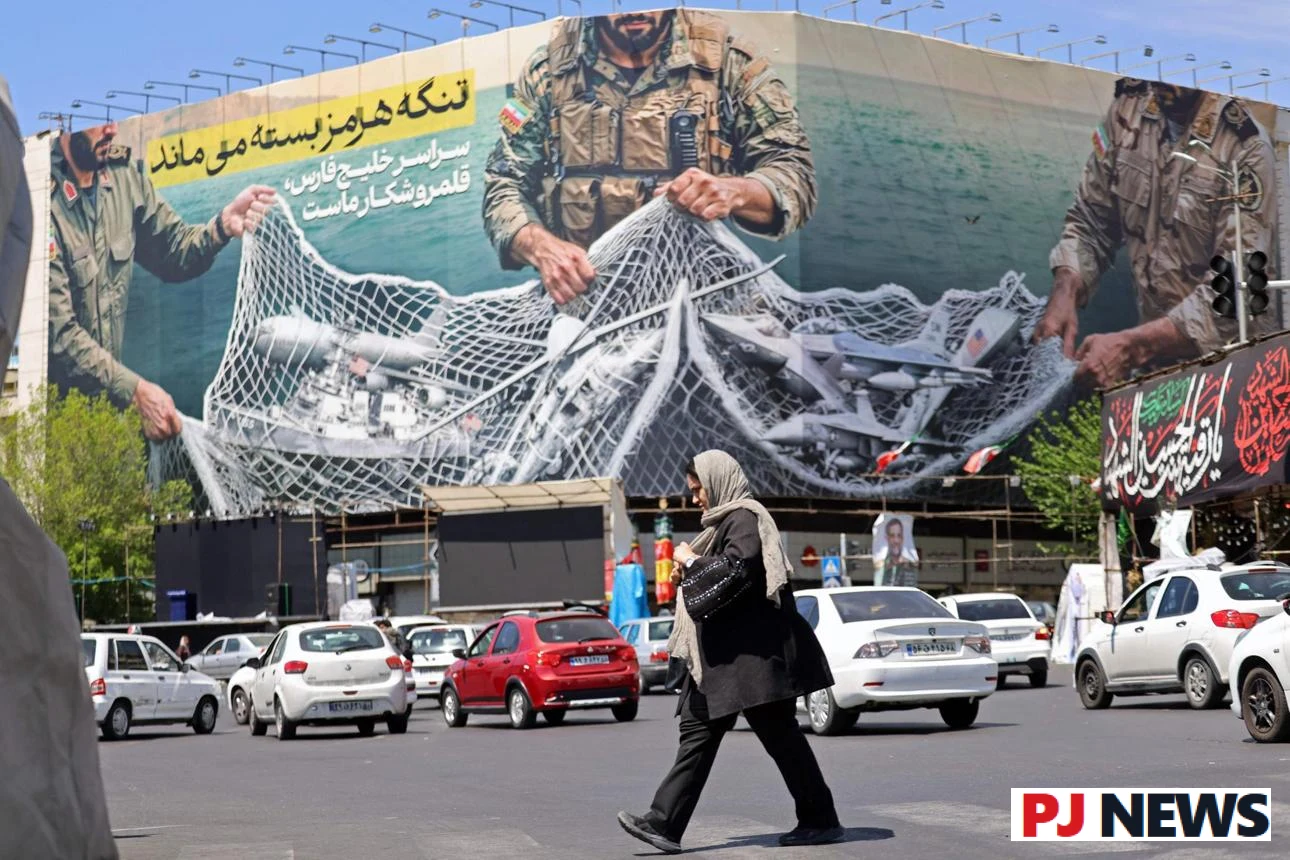
Washington has maintained that its military operations have significantly weakened Iran's strategic capabilities. Tehran, however, continues to demonstrate its capacity to resist external pressure.
Get important news and breaking updates directly.
Conflicting assessments of Iran's remaining military strength illustrate the difficulty of independently evaluating battlefield claims. Military announcements must therefore be distinguished from verifiable outcomes.
Decades of economic restrictions have also encouraged Iran to develop domestic industrial and technological capabilities. Whether additional sanctions or military action can achieve Washington's stated objectives remains an important question.
The Gulf's security dilemma
Recent attacks in Bahrain have intensified concerns about the wider consequences of the conflict.
Gulf governments face the challenge of maintaining established security partnerships while protecting their economies and civilian populations from regional escalation.
Oil exports, international investment, aviation and tourism remain central to their economic interests. Continued hostilities threaten these sectors and complicate long-term development plans.
Regional diplomatic efforts reflect concerns that renewed warfare could produce consequences extending far beyond the original objectives of the parties involved.
Yemen's unresolved conflict
Meanwhile, the confrontation between Yemen's Iran-backed Houthi movement and internationally recognised government forces has intensified.
The Houthis have controlled Sana'a and substantial parts of northwestern Yemen for years. Renewed fighting near Aden has heightened concerns about civilian safety and political stability.
Saudi military operations and Houthi attacks have further complicated efforts to resolve Yemen's prolonged conflict.
While territorial control attracts considerable attention, the humanitarian consequences deserve equal consideration. Yemen's civilians continue to face the burden of displacement, economic deterioration and disrupted essential services.
Global economic consequences
The Strait of Hormuz and Bab el-Mandeb are vital maritime passages for international commerce. Security disruptions can increase transportation costs, affect energy supplies and create uncertainty across global markets.
For India, developments in the Gulf carry particular significance because of energy imports, commercial relationships and the presence of a substantial Indian expatriate workforce.
The evolving situation highlights a fundamental challenge for international diplomacy: reconciling national security concerns with civilian protection, economic stability and regional cooperation.
The effectiveness of future diplomatic initiatives should be assessed not merely through military outcomes, but through their ability to reduce hostilities and establish conditions for lasting security.
Get the latest stories and breaking news on WhatsApp.