India Puts Tiger Conservation at Centre of Global Climate Fight at COP31; 58 Reserves Protect 85,000 Sq Km
 WhatsApp Channel
**The PJ Herald | Antalya:** India has called for wildlife conservation to become an integral part of the global response to climate change, highlighting the role of tiger reserves and other protected habitats in safeguarding forests, water resources and carbon-rich ecosystems. Addressing a high-level ministerial event on the sidelines of the United Nations Climate Change Conference (COP31) in Antalya, Türkiye, Union Environment Minister Bhupender Yadav said protecting big cats could strengthen climate resilience while supporting biodiversity and local livelihoods. The remarks were made on November 16 and detailed in an official statement released on November 17, 2026.
The minister was speaking at an event titled 'Big Cats: Drivers of Climate Change Mitigation', jointly organised by India's Ministry of Environment, Forest and Climate Change and the International Big Cat Alliance. Representatives from Nepal, Venezuela, Cambodia and Sri Lanka participated alongside officials associated with international environmental conventions. The discussions focused on the connection between wildlife habitats, ecosystem protection and sustainable development.
Yadav argued that protecting big cats such as tigers, lions, leopards and snow leopards has benefits extending well beyond the survival of individual species. Large carnivores depend on extensive natural habitats, and conservation measures designed to protect them can also help preserve forests, grasslands, wetlands and mountain ecosystems. These landscapes store carbon, regulate water flows and provide environmental services essential to communities.
Get important news and breaking updates directly.
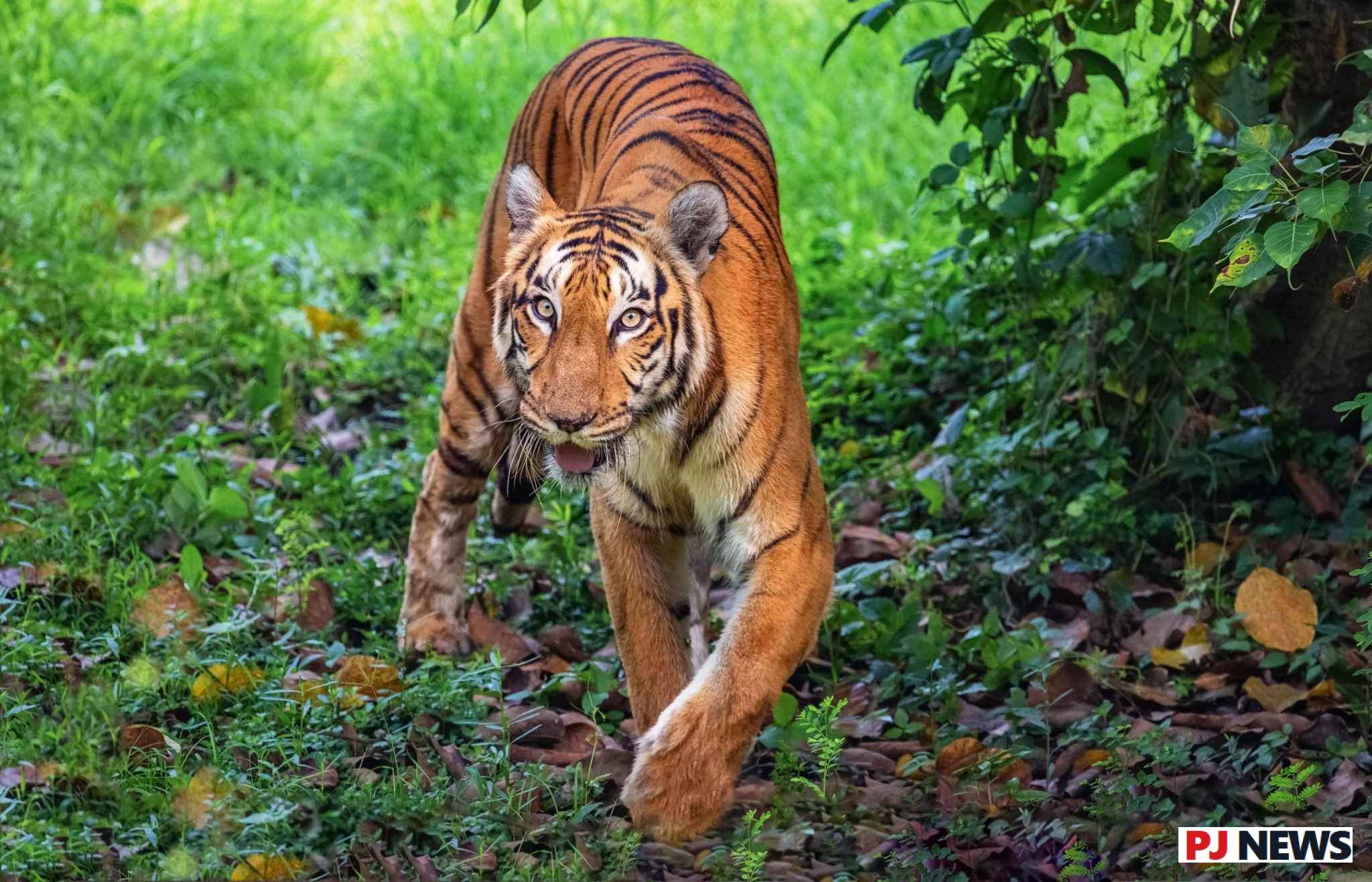
India presented its tiger conservation programme as an example of how wildlife protection and climate policy can reinforce each other. According to the government, the country's 58 tiger reserves cover approximately 85,000 square kilometres. These protected landscapes include important forest ecosystems and watersheds, with more than 600 rivers originating in or flowing through them.
The minister cited India's estimated wild tiger population of 3,682 in 2022, accounting for more than 70 per cent of the world's wild tigers. The figure reflects the 2022 population assessment and should not be interpreted as a new tiger census conducted in 2026. India's conservation progress has been supported by long-term habitat protection, wildlife monitoring, legal safeguards and the involvement of local communities.
Project Tiger, launched in 1973, remains a central pillar of India's wildlife conservation strategy. Its implementation is supported by the Wildlife (Protection) Act, 1972, and the National Tiger Conservation Authority. The programme has evolved from protecting selected tiger habitats into a broader effort involving scientific monitoring, anti-poaching measures, habitat management and cooperation with communities living around protected areas.
The government also highlighted the economic importance of conservation. According to figures presented at the event, Project Tiger generates approximately six million person-days of employment annually through conservation-related activities. Such opportunities can include habitat management, protection work and other local services associated with maintaining protected landscapes. The estimate illustrates how environmental protection can contribute to rural livelihoods alongside its ecological objectives.
An important distinction in the climate discussion is that big cats themselves do not directly remove carbon dioxide from the atmosphere. Their conservation can contribute indirectly by protecting the habitats in which they live. Preventing the destruction or degradation of carbon-rich forests and other ecosystems can help preserve existing carbon stocks and maintain natural processes that support climate stability.
The International Big Cat Alliance was presented as a platform for countries to share conservation expertise, strengthen institutional capacity and coordinate efforts to protect the world's seven major big cat species. India has promoted the initiative as a way to expand cooperation between countries facing similar challenges, including habitat fragmentation, illegal wildlife trade, human-wildlife conflict and pressure from expanding development.
Participants also discussed the wider importance of nature-based approaches to climate action. Protecting healthy ecosystems can contribute to adaptation by reducing environmental degradation, maintaining water supplies and supporting biodiversity. However, conservation measures cannot replace the need for countries to reduce greenhouse gas emissions from energy, transport, industry and other major sources.
India's experience with tiger conservation offers lessons for countries seeking to combine wildlife recovery with community participation. Effective conservation requires sustained public funding, reliable scientific information, enforcement against illegal activities and policies that address the needs of people living near protected areas. Without these elements, conservation gains may be difficult to maintain over the long term.
The discussion at COP31 comes as governments face increasing pressure to connect biodiversity protection with climate commitments. Forest loss, habitat degradation and changing weather patterns can undermine both wildlife populations and the resilience of communities that depend on natural resources. Integrating these concerns into national planning could improve coordination between environmental agencies and climate policymakers.
While the event highlighted India's conservation record and opportunities for international cooperation, it did not amount to a new binding global agreement on tiger protection or climate finance. Any future commitments will depend on negotiations, government decisions and implementation by participating countries.
By placing big cat conservation within the climate debate, India has sought to draw attention to the environmental value of protecting entire ecosystems. The message from Antalya is that safeguarding wildlife habitats can support climate resilience, water security and livelihoods, provided conservation remains part of a wider strategy that also addresses the causes of global warming.
Get the latest stories and breaking news on WhatsApp.