Fake Silver Foil in Hyderabad Sweets: Four Arrested, Illegal Manufacturing Units Busted
 WhatsApp Channel
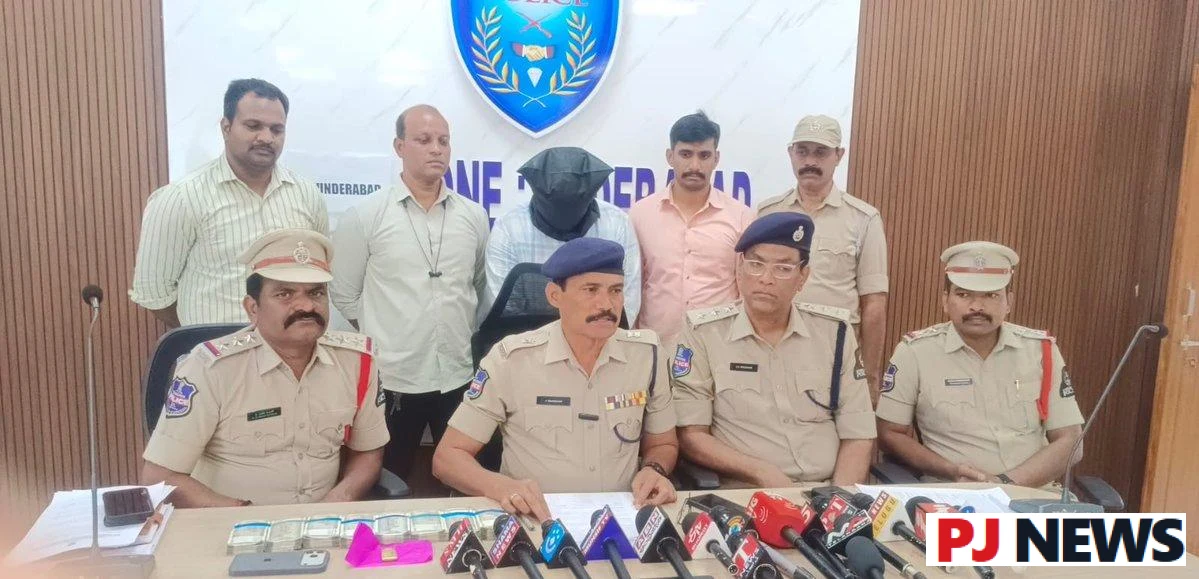
**The PJ Herald | Hyderabad:** Hyderabad police have uncovered an alleged food adulteration racket involving the manufacture and sale of aluminium foil disguised as edible silver leaf, commonly known as silver waraq. Four people were arrested following raids on four manufacturing units in the Old City on Tuesday, November 17, 2026. Police said the counterfeit products were being supplied to sweet manufacturers, bakeries and paan outlets, raising serious concerns about food safety and consumer deception.
The operation was carried out by the Hyderabad Commissioner's Task Force in coordination with local police teams. Acting on information about the suspected illegal trade, officers inspected manufacturing facilities in the Charminar and Falaknuma areas. Investigators found materials and equipment allegedly used to produce decorative leaves and flakes resembling genuine silver.
Hyderabad Police Commissioner Dr Mahesh Muralidhar Bhagwat disclosed details of the operation during a press conference. According to the police, the accused were substituting relatively inexpensive aluminium for genuine silver and selling the resulting products as edible decorative material. The units were allegedly operating without valid licences from the Food Safety and Standards Authority of India.
Get important news and breaking updates directly.
The four establishments identified during the investigation were Ittehad Waraq Shop, UTC Silver Leafs, M.A. Metro Waraq Shop and Tara Unit. Police identified their respective proprietors as Mohammed Akber, Mohammed Waliuddin, Mohammed Shareef and Mohammed Jaleel Khan. The allegations against them remain subject to investigation and judicial proceedings.
Police said the suspected counterfeit silver leaves were supplied for use on popular sweets such as Kaju Katli, Kaju Rolls and Cham Cham. Aluminium-coated sugar balls were allegedly sold to bakeries as decorative cake toppings. Investigators also reported that aluminium flakes were being used in products associated with flavoured paan, including Zarda and Qiwam preparations.
The investigation indicated that some aluminium flakes were procured from Uttar Pradesh and distributed through a network supplying businesses in Telangana. Police alleged that procurement increased during festival seasons, when demand for decorative food products typically rises. The exact number of businesses that received the suspected counterfeit materials has not been conclusively established.
During the raids, officers seized 49 bundles of aluminium leaves, approximately 10 kilograms of aluminium flakes and one kilogram of allegedly counterfeit silver-coated sugar balls. They also recovered raw materials, packaging supplies and equipment reportedly used in the manufacturing process.
Other seized items included Qiwam preparations, tobacco, flavoured paan chutneys, talcum powder, glucose, maize starch and sheets described as animal-skin material. Police also confiscated machinery such as mixers, weighing equipment and packing devices. The seized materials will form part of the investigation into the manufacturing and distribution activities.
Four criminal cases were registered at Charminar, Hussainialam, Moghalpura and Falaknuma police stations. The police have invoked provisions relating to alleged cheating and other offences. Further legal action may depend on the examination of seized materials and the evidence collected during the investigation.
The alleged substitution is significant because edible silver leaf is subject to specific food safety standards. Under the Food Safety and Standards regulations, silver leaf intended for food use must contain at least 999 parts of silver per 1,000 parts, equivalent to 99.9% purity. The rules also prohibit the use of materials of animal origin during its manufacture.
Genuine silver waraq has long been associated with traditional Indian sweets and festive foods. In Hyderabad, it is also used to decorate selected paan preparations and other delicacies. Its appearance is an important part of the presentation of these products, making imitation materials difficult for many consumers to identify by sight alone.
Authorities warned that non-food-grade aluminium products should not be substituted for approved edible silver. The health implications of consuming such material depend on its composition, the amount ingested and the duration of exposure. While the allegations raise legitimate safety concerns, the investigation has not established that every customer who consumed the affected products suffered harm.
The case also highlights a challenge for retailers who depend on external suppliers for decorative ingredients. Sweet shops, bakeries and paan businesses must be able to verify the authenticity and food-grade status of materials purchased for use in products sold to the public. Mislabelled ingredients can expose consumers to risks while undermining confidence in legitimate businesses.
Police described preliminary physical and chemical methods that may help distinguish aluminium from silver, but such observations cannot replace laboratory testing. Consumers should not attempt chemical experiments at home, as the reagents and gases involved can be hazardous. Suspected counterfeit food decorations should instead be reported to the appropriate food safety authorities.
For customers, the immediate lesson is to purchase food from businesses that maintain clear information about their ingredients and suppliers. A shiny silver appearance does not, by itself, establish that a decorative coating meets food safety requirements.
The Hyderabad operation has brought renewed attention to the enforcement of food standards in the city's traditional sweets and paan markets. Investigators are examining the suspected supply network and the materials recovered during the raids. The arrests mark an important stage in the case, but criminal responsibility will be determined through the legal process.
Get the latest stories and breaking news on WhatsApp.