Major Gas Leak at ONGC Well in Andhra Pradesh Controlled After 10 Hours; Villagers Evacuated, No Casualties
 WhatsApp Channel
**The PJ Herald | Konaseema:** A major gas leak at an Oil and Natural Gas Corporation (ONGC) well in Andhra Pradesh's Dr. B.R. Ambedkar Konaseema district triggered an emergency response and the evacuation of nearby residents on Tuesday, November 17, 2026. The incident, reported at approximately 5 a.m. during well-maintenance operations, was brought under control at around 3 p.m. after nearly ten hours of sustained efforts. ONGC confirmed that no injuries or casualties had been reported.
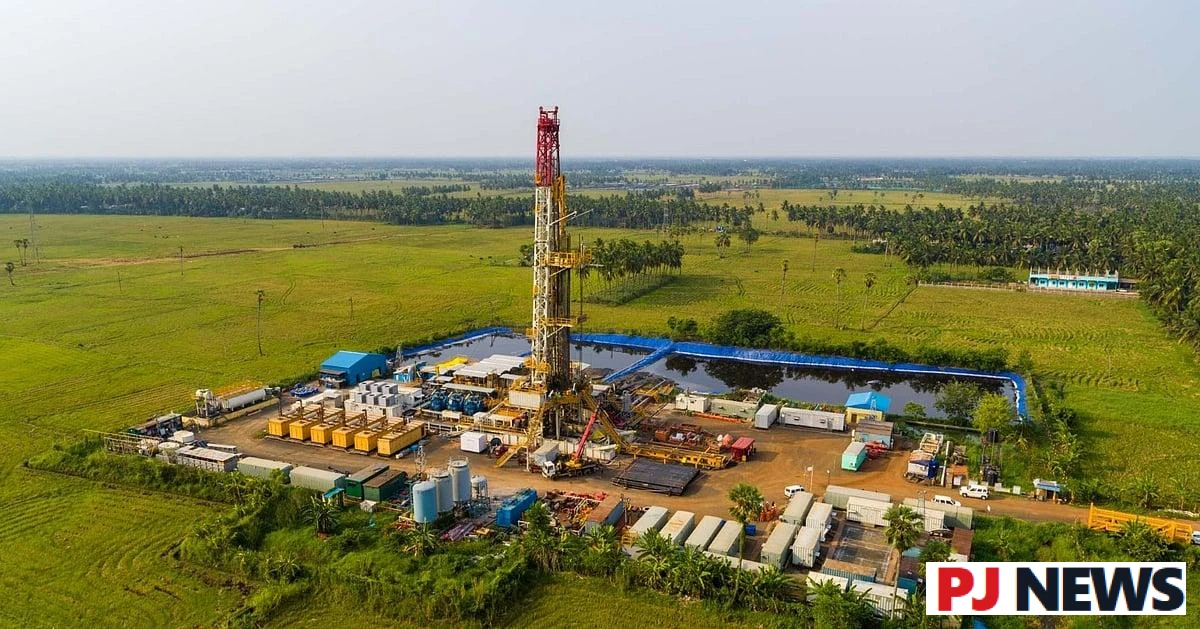
The gas escaped from a well at Geddada village in Mamidikuduru mandal, near National Highway 216. The sudden release caused alarm among residents of surrounding villages, prompting authorities to move people to safer locations and restrict movement near the affected site. Emergency teams were deployed to prevent the incident from escalating into a fire or a more serious industrial accident.
According to ONGC, the leak occurred during workover operations, which involve maintenance or other technical interventions in an existing oil or gas well. Such procedures require careful management of pressure and equipment to maintain control over the flow of hydrocarbons. The precise technical cause of Tuesday's incident had not been publicly established in the company's statements.
Get important news and breaking updates directly.
Following the leak, ONGC's Rajahmundry Asset activated its disaster management plan and dispatched an emergency response team. Additional personnel, equipment and specialised resources were mobilised from the company's regional crisis management facilities at Narsapur to support operations at the well.
As an immediate precaution, authorities established a 500-metre safety cordon around the site and evacuated residents from the surrounding area. Traffic along the affected stretch of National Highway 216 was diverted through alternative routes, while electricity supply in the vicinity was temporarily disconnected to reduce the risk of ignition.
Emergency personnel also established a protective water blanket around the well. Police, fire services and district officials coordinated with ONGC teams to secure the area, manage public movement and support the evacuation. Residents were advised to avoid open flames and electrical equipment while the gas release remained a potential hazard.
The incident created considerable anxiety in nearby communities, where families were asked to leave their homes at short notice. For residents living close to oil and gas infrastructure, such emergencies raise immediate concerns about personal safety, the protection of property and the availability of timely information from authorities.
Andhra Pradesh Chief Minister N. Chandrababu Naidu reviewed the situation with district officials and directed them to ensure the safety of people living near the affected well. He instructed the administration to maintain precautionary arrangements until the area could be assessed and declared safe by the responsible authorities.
During the emergency, ONGC conducted gas-concentration monitoring around the site. The company reported zero gas concentration at the monitored locations during one assessment, but continued its safety operations and surveillance. Such readings were part of the response and did not, by themselves, establish that all restrictions could immediately be removed.
By approximately 3 p.m., ONGC's technical teams had successfully controlled the gas flow. In a subsequent statement, the company said it would continue monitoring conditions and maintain necessary safeguards. It also informed the district administration about withdrawing the precautionary cordon and other restrictions after further observations and assessment of site conditions.
The confirmation that no injuries or deaths had occurred brought relief after hours of uncertainty. Nevertheless, the disruption to residents, road traffic and electricity supply demonstrated how an industrial emergency can affect an entire community even when the immediate technical problem is contained.
The incident also draws attention to the importance of emergency preparedness in areas with oil and natural gas operations. Rapid communication, clearly defined evacuation procedures, specialised response teams and coordination between companies and local authorities can play a crucial role in limiting risks to the public.
For communities in the Konaseema region, confidence in industrial safety depends not only on controlling individual incidents but also on understanding why they occur and what measures are taken to prevent a recurrence. Any conclusions about the cause of this leak will require an appropriate technical assessment rather than speculation.
ONGC thanked the Andhra Pradesh government, district administration and other agencies for their cooperation during the emergency. The company reiterated its commitment to operational safety and the protection of employees and surrounding communities.
With the gas flow brought under control and no casualties reported, the immediate emergency ended without loss of life. The incident nevertheless serves as a reminder of the need for rigorous maintenance practices, reliable monitoring and effective disaster-response systems wherever energy infrastructure operates close to populated areas.
Get the latest stories and breaking news on WhatsApp.